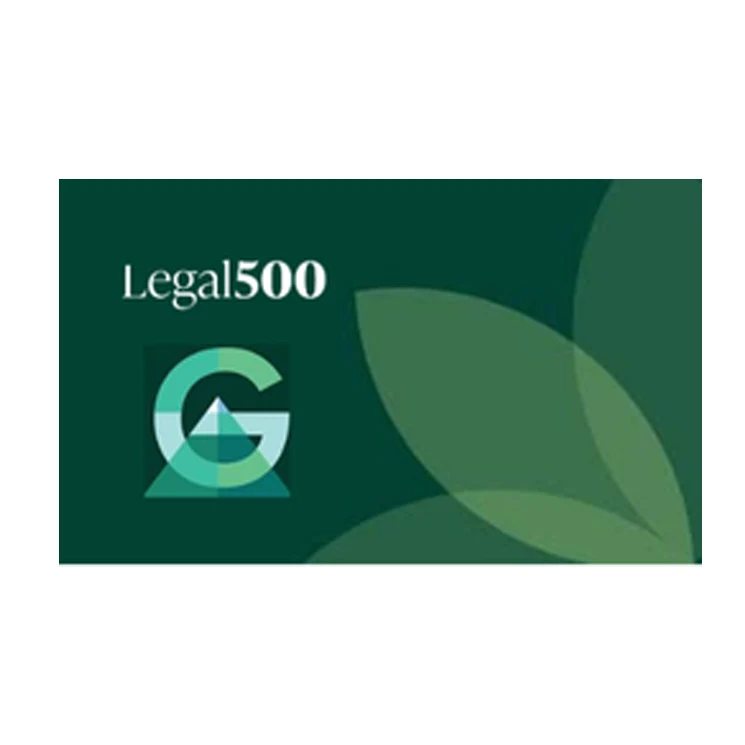
MOHAMED BENKHALIFA

Of Counsel

Expertise

  • Ecological Transition – Sustainable development
  • International
  • Litigation – Arbitration

Biography

At the crossroads of business law, ESG, governance and strategic change, he adopts an integrated approach combining legal expertise, management and organisational performance.

Mohamed has in-depth expertise in implementing the world’s leading ESG and sustainability frameworks and certifications, including ISO 26000 guidelines, Global Reporting Initiative (GRI) standards, ESG reporting frameworks and OECD and United Nations reference instruments. He is recognised for his ability to structure ambitious social and environmental commitments, lead stakeholder dialogue and design strategic roadmaps aligned with the UN Sustainable Development Goals (SDGs) and the 2030 Agenda.

His expertise also covers strategic and political communication, change management, performance and talent management, and support for complex transformations in high-sensitivity contexts, including those linked to investor expectations and European regulatory frameworks (CSRD, Green Taxonomy, due-diligence regimes). At operational level, he works with a structured international footprint: the Canada–Europe–MENA–Asia Pacific network enables clients to ensure global compliance while benefiting from informed geopolitical and strategic insight.

An expert member of AFNOR, he contributes to standard-setting work on ESG issues and participates in international initiatives on sustainability frameworks. Mohamed is also a Master Certified Coach (MCC) and member of the International Coaching Federation (ICF). An accredited mediator with the Quebec Bar in civil, commercial and employment matters, he regularly advises executives, senior managers and project teams, particularly in sensitive or high-stakes environments.

He is the author of numerous publications on international environmental law and sustainable-development policies, including : Le développement durable face au nouveau désordre mondial : réflexions autour de pratiques et enjeux de la diplomatie environnementale (Sustainable Development in a New Global Disorder: Reflections on the Practices and Challenges of Environmental Diplomacy).
Latin America

  • Supporting economic, social and cultural actors in the implementation of integrated sustainability models.
  • Advising on community governance, energy transition and ESG compliance.
  • Structuring consultation mechanisms, impact analyses and the development of responsible initiatives.

Asia

  • Analysis of maritime disputes and regional sovereignty issues (Montego Bay Convention, dispute-settlement mechanisms).
  • Study of exclusive economic zone delimitations and geopolitical dynamics in the South China Sea.
  • Advising on ethical governance of emerging technologies, transparency, sustainable resource management and ESG-related supply-chain due diligence.
  • Comparative analysis of international instruments and arbitral practices in the Asian context.

Multilateral Organisations (United Nations)

  • Strategic support to an NGO with consultative status before ECOSOC.
  • Contribution to the process which, with the support of a Member State, led to the adoption of the International Day of Living Together in Peace, proclaimed by Resolution A/RES/72/130 of 8 December 2017.
  • Work on institutional strategy, legal architecture and the structuring of technical submissions.
  • Deployment of a methodological framework to support engagement with UN decision-making bodies, in accordance with the legal and diplomatic charter governing Member States.

Europe

  • Advising on sustainable finance and interpretation of the European taxonomy.
  • Supporting ESG reporting and regulatory compliance.
  • Drafting ethical charters, integrity frameworks and governance mechanisms for cultural, educational and public institutions.

Africa

  • Supporting infrastructure projects incorporating community participation and impact management.
  • Advising on regenerative agriculture, sustainable certification and socio-environmental governance.
  • Ensuring alignment with applicable international standards and frameworks.

Maghreb

  • Developing environmental-governance frameworks for natural areas and sensitive sectors.
  • Implementing sector-specific CSR policies and international-compliance mechanisms.
  • Supporting the creation of internal committees on ethics, transparency and oversight.

Oceania

  • Advising on the integration of Indigenous stewardship principles into business models.
  • Supporting the development of climate-adaptation, resilience and territorial risk-management plans.
  • Analysing associated environmental, institutional and socio-cultural issues.

North America

  • Legal and strategic support for partnerships with Indigenous communities.
  • Advising on shared governance, value-sharing and ethical-technology frameworks.
  • Developing internal policies on responsible innovation, data protection and digital-risk management.

Indian Subcontinent

  • Structuring multi-stakeholder partnerships in water, sanitation and essential services.
  • Integrating social, environmental and ethical standards into cultural and creative industries.
  • Supporting institutional, regulatory and collaborative engagement processes.

News